 (Image source: Gemini)
 Think about the last time you ignored a weird noise in your car engine. You probably hoped it would just go away, right? But deep down, you knew that catching a loose belt today is much cheaper than replacing a whole engine next month. Your body works the exact same way. For decades, our healthcare system functioned as "sick care." You got sick, you went to the doctor, and they tried to fix the damage. We're finally moving away from that reactive model toward something much smarter: proactive wellness. Early detection is the backbone of this shift. It's about finding a problem while it's still small, manageable, and often reversible. When we talk about "proactive health," we're talking about looking for clues before you even feel like something is wrong.
Why does this matter so much? Because the data shows that catching chronic conditions in their earliest stages is the most effective way to stay alive and keep your bank account intact. By the year 2039, chronic diseases are projected to cost the global economy about $47 trillion. That is a staggering number. But on a personal level, early detection means better outcomes and fewer invasive treatments. It's the difference between taking a daily pill and undergoing major surgery. It's about giving yourself the best possible odds.
Cardiovascular Disease and Hypertension
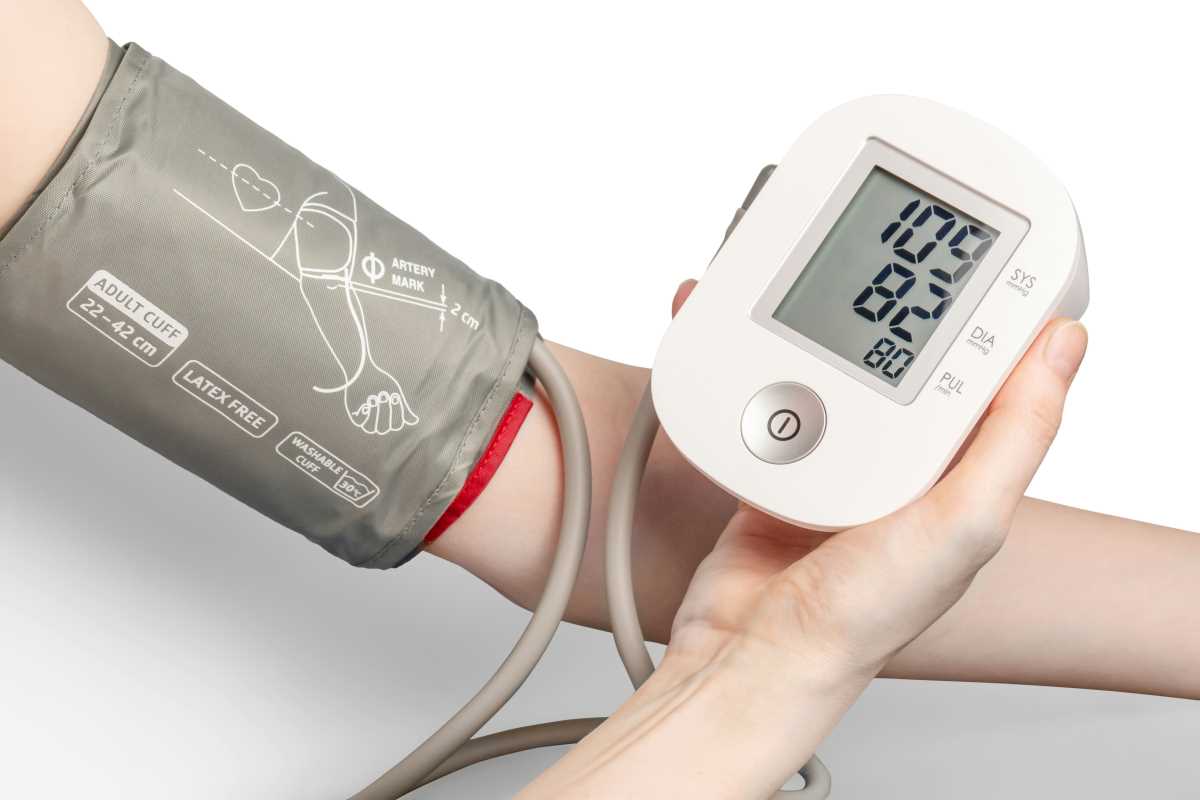
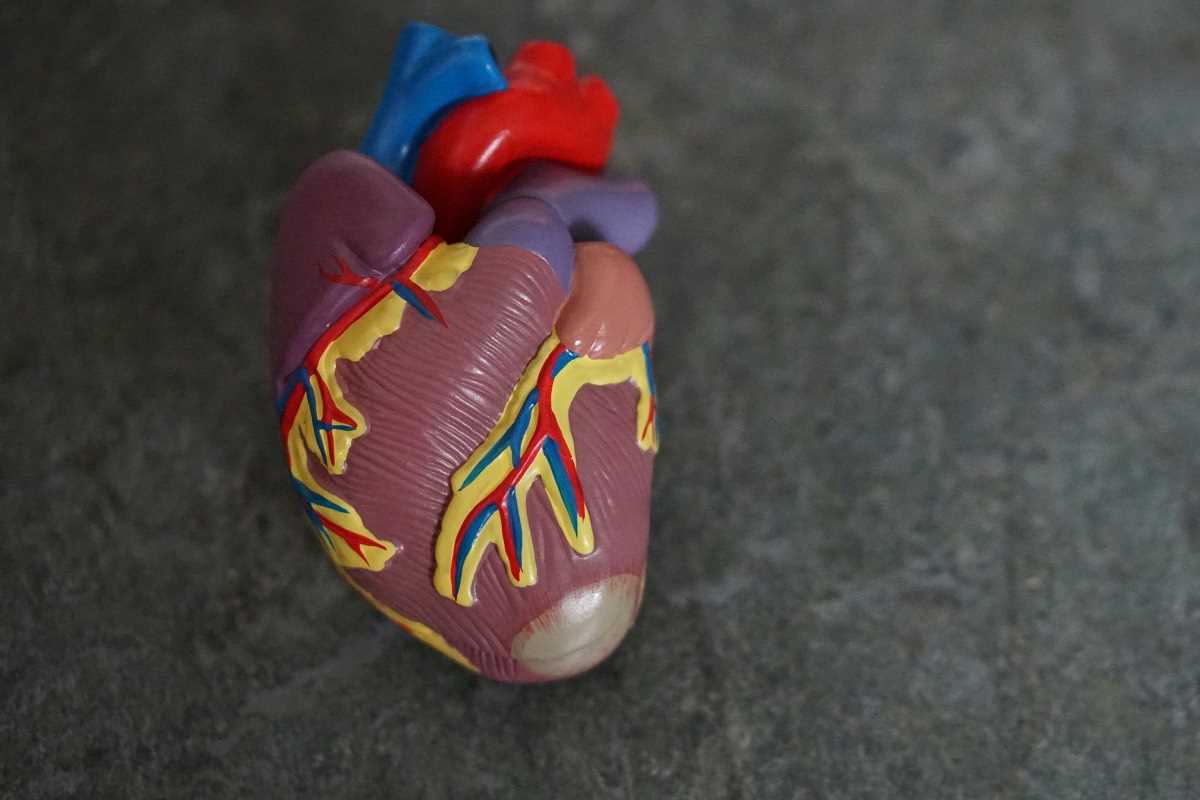
You've probably heard high blood pressure called the "silent killer." It's a cliché, but it's an accurate one. You can walk around with dangerously high pressure for years without feeling a single thing. Meanwhile, that pressure is slowly damaging your arteries and putting a strain on your heart. Last year, in 2025, the American Heart Association updated its guidelines to emphasize just how important early intervention has become.
Recent data shows that nearly 46.7% of adults in the U.S. have hypertension.¹ That is almost half of the people you see at the grocery store. The scary part is that many of them don't know it. This is why simple screenings like blood pressure checks and lipid panels are so key. They aren't just routine paperwork. They are early warning systems for heart attacks and strokes.
We also have better tools now. The PREVENT risk calculator is a tool doctors use to estimate your risk of cardiovascular disease for the next 30 years, starting as early as age 30. We're also seeing AI-improved ECG screenings that can catch heart failure early in an outpatient setting. This technology is incredibly cost-effective, saving thousands of dollars per patient by preventing hospitalizations.³ If you haven't had your blood pressure checked lately, you're flying blind.
Metabolic Health Detecting Diabetes and Prediabetes
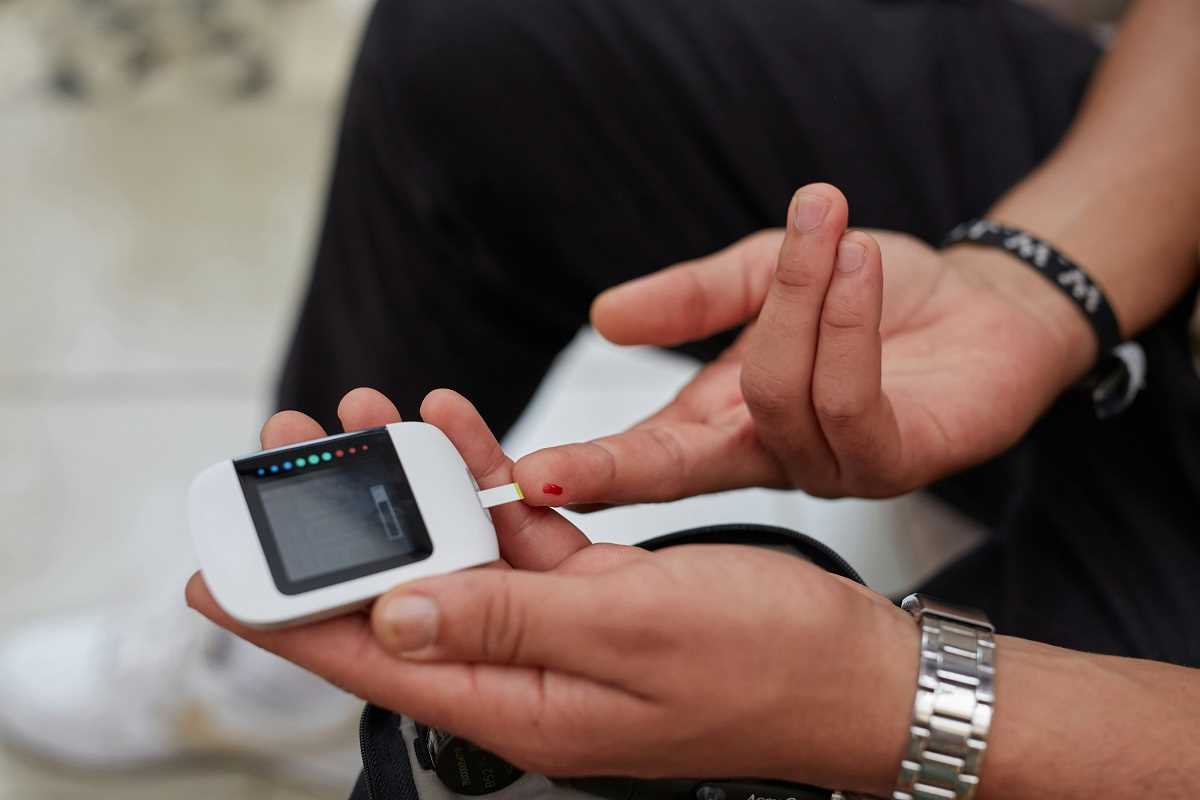
Diabetes is another condition that likes to sneak up on people. You might feel a bit more tired than usual or notice you're reaching for your water bottle more often. It's easy to blame these things on a busy schedule or the weather. But these can be the first whispers of a metabolic system in trouble.
The A1C test is a game-changer here. It gives your doctor a picture of your average blood sugar over the last few months. Catching "prediabetes" is a massive win because it gives you a window of opportunity to make lifestyle changes before any permanent damage occurs. Effective management of blood sugar can reduce your risk of nerve and kidney disease by about 40%.
From a financial perspective, the benefits are just as clear. Early detection and lifestyle changes for Type 2 Diabetes save an average of $3,300 per patient over five years. That's money that stays in your pocket because you avoided hospital stays and expensive prescriptions. The 2025 standards of care even suggest screening for heart failure in diabetes patients if they show even minor signs of fatigue. It's all about staying one step ahead of the complications.
Cancer Screenings Changing the Odds
Let's talk about the "C" word. Cancer is scary, and for many people, the fear of finding something is what keeps them away from the doctor. But here is the reality: screening is much less daunting than treating an advanced disease. The survival statistics from the American Cancer Society for 2025 are eye-opening.
If you catch breast or prostate cancer while it's still localized, the five-year survival rate is a near-perfect 100%. If you wait until it has spread to other parts of the body, that rate can drop to between 33% and 38%. That is a massive gap. Mammograms, colonoscopies, and skin checks aren't just "good ideas." They are literal lifesavers.
We're also seeing the rise of liquid biopsies. These are blood tests that can detect tiny fragments of tumor DNA long before a physical lump appears. Experts believe these tests will soon complement or even replace some of the more invasive procedures we use today. The goal is to find cancer when it's just a tiny cluster of cells that can be removed or treated with minimal impact on your life.
Mental Health and Cognitive Decline
We often focus on the body from the neck down, but early detection is just as important for your brain. Conditions like depression and anxiety are much easier to manage when you address them early. If you wait until you're in a full-blown crisis, the road back to wellness is much longer and steeper.
The same goes for cognitive decline. For a long time, we thought there wasn't much we could do about Alzheimer's. But that's changing. In July 2025, new clinical guidelines were released for blood-based biomarkers.⁵ These are simple blood tests that can detect Alzheimer's pathology with over 90% sensitivity.⁶
Why does this matter if we don't have a "cure" yet? Detecting it early allows you to access new treatments that can slow the progression of the disease. It also gives you time to build a support system and adopt neuro-protective habits like better sleep and heart-healthy eating. Remember, what's good for your heart is usually good for your brain. Treating hypertension early has been directly linked to a lower risk of dementia later in life.
Taking Control of Your Personal Action Plan
So what does this actually mean for you today? It means you need to stop being a passive passenger in your own health journey. You are the CEO of your body. The first step is building a real relationship with a primary care physician. You need someone who knows your history and can spot subtle changes over time.
- Keep a Log: Track your blood pressure readings, your energy levels, and any weird symptoms that pop up. Don't assume you'll remember them six months from now.
- Know Your History: Talk to your relatives. Did your uncle have heart issues in his 40s? Did your grandmother have Type 2 Diabetes? Your family history is a roadmap for what your doctor should be looking for.
- Schedule the Appointment: If you've been putting off that mammogram or that physical, call today. Not tomorrow. Today.
The future of medicine is proactive and tech-driven. With remote monitoring and AI-driven diagnostics, we can catch things in the "pre-symptomatic" phase. But all the technology in the world doesn't matter if you don't show up. Taking control now isn't just about living longer. It's about living better. It's about making sure you're there for the big moments and the small ones. You have the power to change your trajectory. Use it.
This article on medcio is for informational and educational purposes only. Readers are encouraged to consult qualified professionals and verify details with official sources before making decisions. This content does not constitute professional advice.