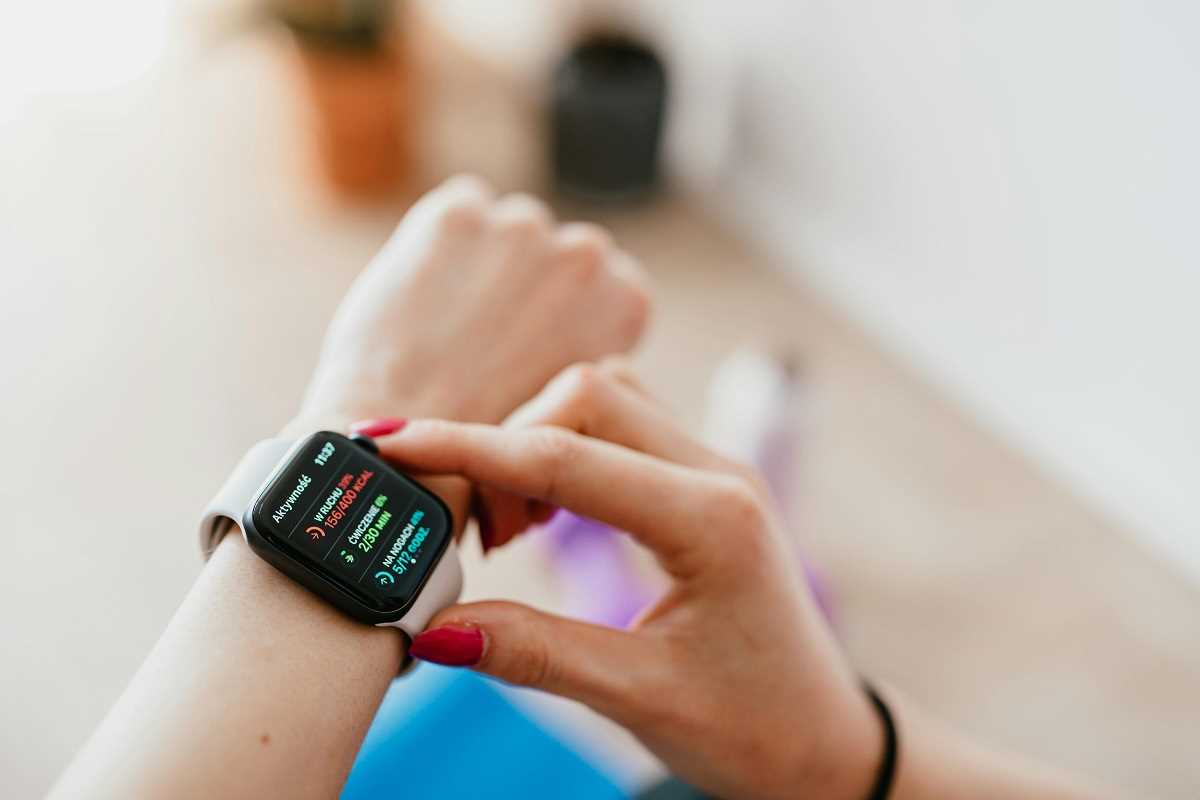
Remember when a pedometer was the height of fitness technology? We would clip it to our belt, aim for 10,000 steps, and feel accomplished. Fast forward to today, and the device on your wrist is doing a lot more than just counting steps. It’s listening to your heart, measuring oxygen in your blood, and even tracking your glucose levels. We are witnessing a massive shift in health technology: the democratization of medical-grade metrics.
This isn't just about tracking runs or counting calories anymore. It’s about having a lab-quality health monitor with you 24/7. Advanced sensors that were once locked away in hospitals and clinics are now available at your local electronics store. This revolution is empowering us to take control of our health like never before, offering personalized insights that can lead to better fitness, early detection of issues, and a deeper understanding of our own bodies.
Get ready to explore how these futuristic features are reshaping the wellness landscape and what they mean for your daily life!
From Gadgets to Guardians: The Rise of Advanced Sensors
The line between a "fitness tracker" and a "medical device" is blurring rapidly. Tech giants and startups alike are racing to pack more sophisticated sensors into smaller, wearable packages. Here are a few of the game-changing technologies that are now consumer-ready:
- ECG (Electrocardiogram) on Demand: Smartwatches can now detect atrial fibrillation (AFib), an irregular heart rhythm that can lead to stroke. By simply placing your finger on a sensor, you can record a medical-grade ECG in 30 seconds.
- Blood Oxygen (SpO2) Monitoring: Pulse oximeters used to be those clips doctors put on your finger. Now, wearables use light sensors to estimate the oxygen saturation in your blood, providing crucial data on respiratory health and sleep quality.
- Continuous Glucose Monitors (CGMs): While traditionally for diabetes management, CGMs are entering the wellness space. These small patches track blood sugar in real-time, helping athletes fuel better and everyday people understand how food affects their energy.
- Skin Temperature and EDA Sensors: New devices measure skin temperature variations and electrodermal activity (stress responses), offering a holistic view of your body's recovery and mental state.
The Power of Knowing: Benefits of High-Tech Tracking
Why does all this data matter? Because knowledge is power—especially when it comes to your health.
1. Hyper-Personalized Fitness
Generic advice like "sleep 8 hours" or "eat less sugar" is fine, but medical-grade metrics tell you what your body needs. A recovery score based on heart rate variability (HRV) might tell you to skip the HIIT workout and do yoga instead, preventing burnout and injury. Glucose data can show you exactly which pre-workout snack gives you the best energy boost.
2. Early Detection and Prevention
This is the most transformative aspect. A watch alerting a user to an unusually high resting heart rate or an irregular rhythm can prompt a life-saving doctor's visit. Sleep tracking with SpO2 sensors can help identify signs of sleep apnea, a condition that often goes undiagnosed. We are moving from reactive healthcare (treating sickness) to proactive wellness (maintaining health).
3. The "Quantified Self" Motivation
Seeing tangible improvements in metrics like VO2 Max (cardiovascular fitness) or resting heart rate provides incredible motivation. It validates your hard work. When you see your health metrics improving alongside your fitness, it creates a positive feedback loop that keeps you engaged.
Navigating the Challenges: It's Not All Smooth Sailing
While this technology is exciting, it comes with a "handle with care" label. Bringing medical data into the consumer world introduces new complexities.
- The "Cyberchondria" Effect: Having constant access to health data can sometimes cause anxiety. A slight fluctuation in heart rate might be perfectly normal, but to an untrained eye, it could look alarming. It’s easy to obsess over the numbers rather than listening to how your body actually feels.
- Data Accuracy vs. Medical Diagnosis: Consumer devices are incredibly advanced, but they aren't perfect. A sweaty wrist or a loose band can skew results. It is crucial to remember that a smartwatch notification is not a diagnosis. It is a signal to seek professional advice.
- Privacy and Data Security: Health data is the most sensitive information we have. As we upload terabytes of biological data to the cloud, questions about who owns that data and how it's protected are paramount. Consumers need to be vigilant about privacy settings and understand how their data is being used.
Your Action Plan: Using Medical Metrics Responsibly
Ready to upgrade your health tracking? Here is how to make the most of these powerful tools without getting overwhelmed.
1. Focus on Trends, Not Moments
Don't panic over a single weird reading. Bodies are noisy and weird! Look for long-term trends. Is your resting heart rate gradually lowering over months of exercise? That’s a win. Is your sleep quality consistently poor? That’s a trend worth addressing.
2. Context is King
Understand the "why" behind the data. Did your heart rate spike because you were stressed, or because you just ran up the stairs? Did your recovery score drop because you’re sick, or because you had a few drinks last night? Use the data to understand your lifestyle choices.
3. Share with Your Doctor (But Don't Replace Them)
Many doctors love seeing this data because it gives them a glimpse into your life outside the clinic. You can export PDF reports of your ECG or sleep data to share during check-ups. However, never stop taking medication or change a treatment plan based solely on your watch. Always consult the pros.
4. Listen to Your Body First
Technology is a tool, not a master. If your watch says you are "fully recovered" but you feel exhausted, rest. If your calorie counter says you have "room" for more food but you are full, stop eating. Your body’s internal signals are the original medical-grade sensors—don't ignore them!